War symbols have been used for thousands of years. Symbols have been used to demonstrate courage, military strength, protection, loyalty and identity throughout the ages by people from various cultures, nations, and empires.
An easily recognizable symbol, whether on a shield, banner, flag or a piece of armor could unify armies, inspire soldiers and remind warriors of their homeland 🏺.
Symbols are sometimes used to signify triumph and heroism, but other symbols serve as a reminder of sacrifice, struggle and survival.
War symbols are still visible in military insignia, memorials, historical art, tattoos, films, books and popular culture and continue to have a lot to say without the need for words.
What are war symbols?
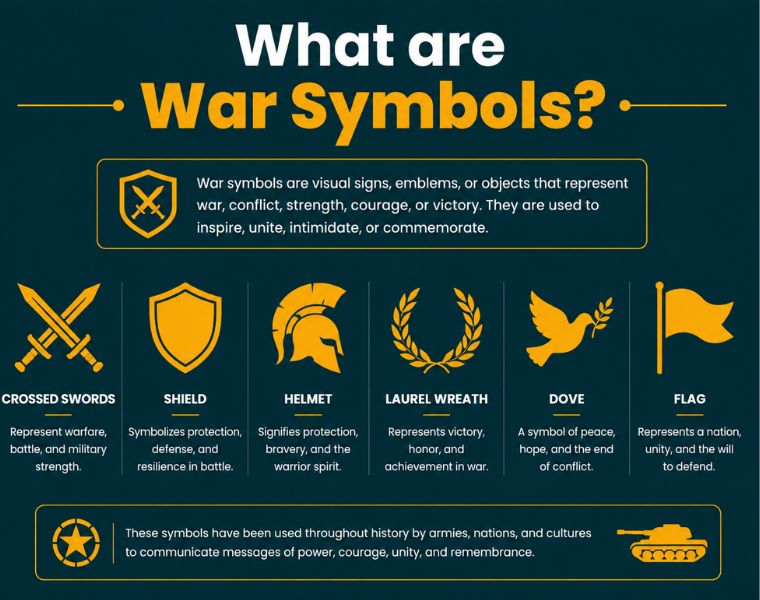
War symbols are pictorial elements which can be related to the act of war, resistance, defense, protection, sacrifice and strength of military forces.
In the history of war, warriors, soldiers and armies, tribes, kingdoms and empires have all relied on emblems, standards, banners, flags, animals, weapons, and insignias to symbolize cohesion and a sense of culture.
During the uncertain and dangerous battlefields these symbols aided identification of allies, and in battlefields of bravery they aided in intimidation of enemies ⚔️.
Symbols Of War
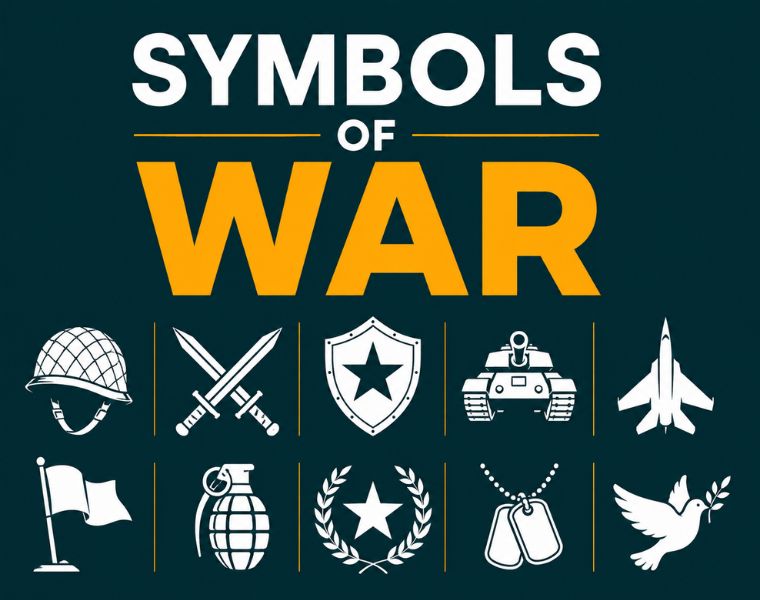
A lot of war symbols are associated with fighting, winning, power and conquest. Typically, these are swords, shields, spears, helmets, armor, battle axes, military flags and burning flames.
The images were used on the monuments, temples, military equipment and royal banners as a symbol of power, courage, dominance and readiness for battle 🛡️.
War Symbolism
War symbolism is not all about war. It embodies human feelings of loyalty, honor, resilience, sacrifice, survival and heroism.
Symbolic images were utilized to boost morale prior to battle by rulers and warriors.
Military badges, national emblems, and historical symbols continue to be a reminder of the courage, service, and sacrifices of past generations 💪.
Symbols That Mean War
Many iconic symbols have images of war and conflict readily.
The crossed swords, skulls, ravens, battle ax, red banners, and military symbols are sometimes used to represent aggression, defense, fighting, and winning.
Each culture had assigned them varying meanings, but all conveyed a sense of strength, courage, and determination ⚔️.
War Symbols Copy And Paste
In today’s digital world, people love to use war symbols, copy and paste designs in their gaming profiles, user names, social media bios and creative projects.
Symbols like swords, shields, crosses and knight icons produce a warrior look.
These basic characters tend to symbolize strength, fearlessness, and personal identity in online communities 🎮.
War Symbols Tattoos
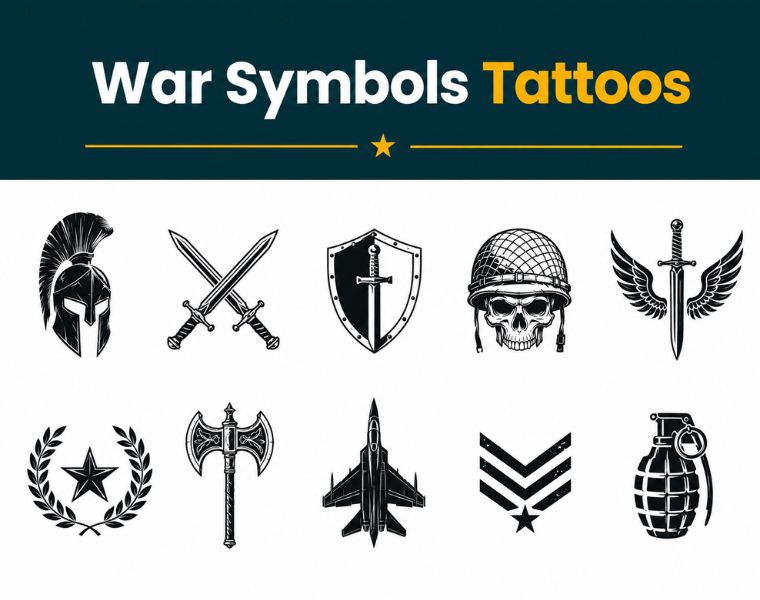
The popularity of war symbols tattoos is due to the fact that they frequently come to symbolize bravery, sacrifice, strength and resilience.
Those who want to show their warrior spirit can do so in designs inspired by Vikings, runes, crossed swords, shields, dragons, or eagles.
Individuals can wear designs with Spartan helmets, Viking runes, crossed swords, shields, dragons or eagles to demonstrate their warrior spirit.
These tattoos show military service, the hardships they’ve endured, or the success they’ve found through perseverance 🖤.
Symbols For War
Based on their beliefs, traditions and military experiences, various cultures developed symbols for war.
The common elements in the image of war are weapons, fire, armored warriors, eagles, dragons and battle flags.
Some symbols have a connotation of conquest and military strength, while others are about defense, unity, heroism and the protection of the homeland 🌍.
Famous Ancient And Historical War Symbols
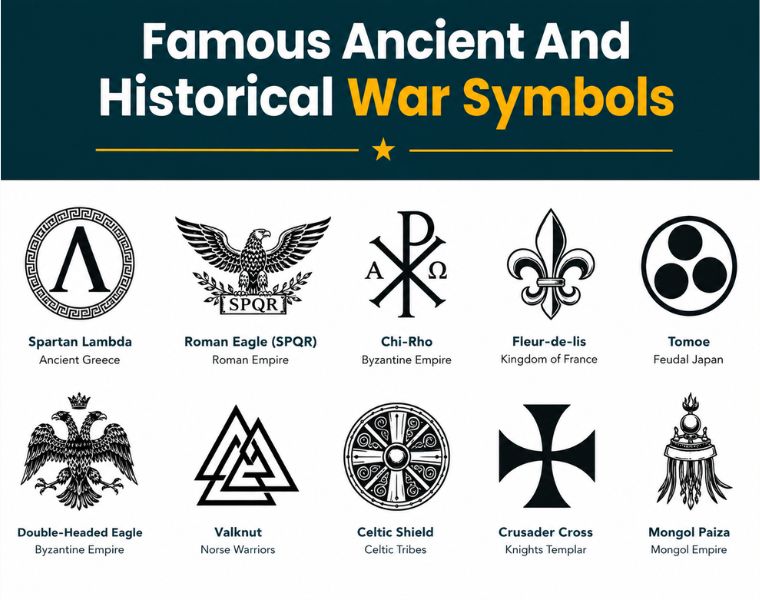
Powerful war symbols, which have influenced civilizations and generations of people have permeated history.
The use of Roman eagle standards, Viking symbols, medieval coat of arms, samurai crests, military banners and sacred emblems was all important.
They served as a means of cohesion for armies and as a reminder of duty, loyalty and culture to the warriors 🏺.
War Symbols Emoji
The war symbols emoji can be used in various contexts, such as in gaming communities, discussions about military operations, and online communications.
The use of images that depict weapons, defense, danger, battles and warrior spirit infuse digital communication with excitement and emotion.
These icons are straightforward, but they still carry with them the sentiment of strength and determination from a long tradition of using “symbols” 🎮.
War Symbols WW2
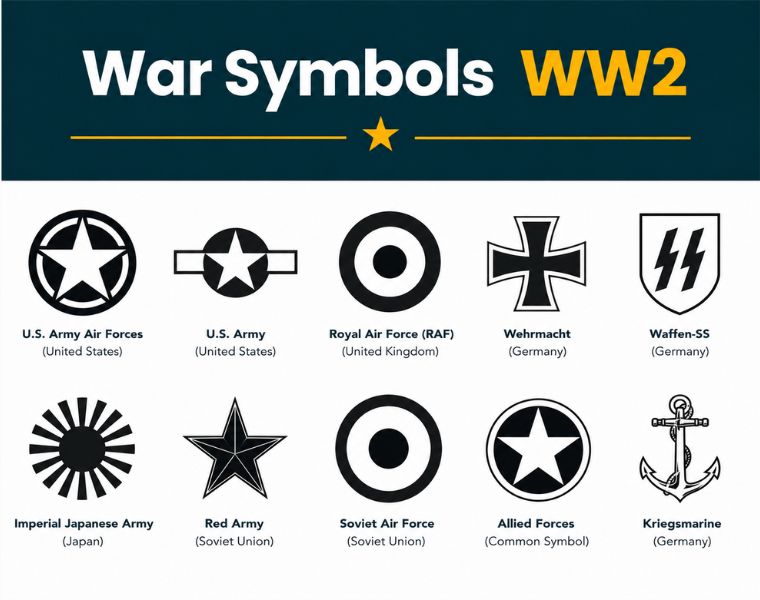
War symbols WW2 was one of the main aspects during the Second World War.
National symbols, medals, markings on battlefields and military insignias were used by countries, armies, military divisions and resistance groups to identify themselves.
For many of these historical icons, these are still their hallmarks and they still are recognized today because of them 🪖.
War Symbols And Meanings
The significance of a war symbol may be cultural, historic and traditional.
The sword can be an emblem of honor, justice, and protection, and the skull can be a symbol of death, danger, and sacrifice.
The understanding of these meanings enables an explanation of the understanding of war, heroism, courage, and survival in the different societies 📜.
Ancient War Symbols
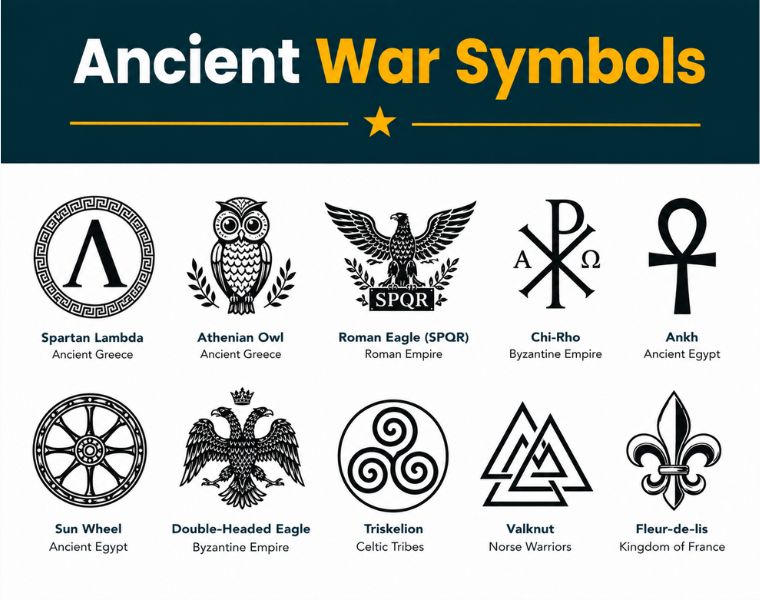
Wars symbols were tightly bound up with kings, gods, armies and military power in Ancient times.
The Romans, Egyptians, Vikings, and other civilizations utilized animals, mythological beings, weapons and sacred symbols as a way to engender strength and fear.
Such is the power of these ancient symbols that they continue to be relevant to military art, military logos, narrative and historical studies today 🏛️.
War Symbols Greek
Greek war symbols had a strong association with myth and divinity.
Spears, shields, owls and lightning bolts were seen as the symbol of gods like Ares and Athena in the world of Warriors.
They were symbols of wisdom, courage, protection, strategy and victory, and were a central feature of the military culture of the ancient Greeks ⚡.
Symbols Of War In Mythology
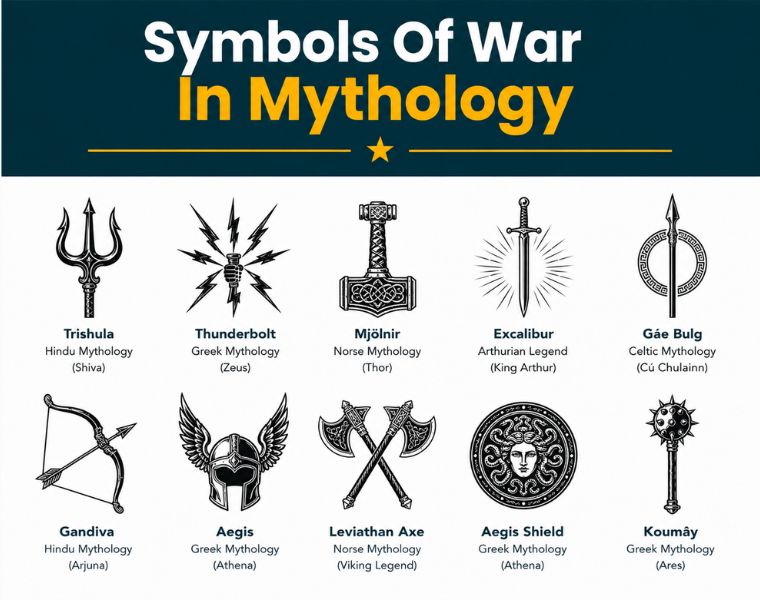
There are numerous symbols of war related to gods, heroes, monsters, and epic battles in mythology.
Ravens and thunderbolts, magical weapons and divine armor frequently symbolized destruction, bravery, revenge, wisdom and supernatural power.
All of these legendary symbols continue to impact books, movies, fantasy tales, and popular culture ⚔️.
What Symbolizes War?
A plethora of symbols including weaponry, fire, blood-red colors, armored warriors, military banners and battlefield flags represent war. These symbols convey danger, bravery, conflict, survival and sacrifice.
Over the years, nations have had an affinity for using symbolism to describe the splendor and suffering of war 🔥.
Spiritual Meaning
There are many symbols of war with spiritual connotations that are not related to battle and warfare.
Ancient warriors thought that some symbols were linked to them with divine power, protection, destiny and courage.
Religious symbols were routinely brought into battle as it was thought that divine energy would be able to help people through difficult times.
The symbols of war were potent images of growth and survival in many traditions, as they stood for warfare and the conflict between fear and strength, darkness and wisdom ✨.
Psychological Meaning
The emotional responses to the appearance of war symbols are strong because they evoke human survival instincts.
The use of a military flag, shield or strong animal can evoke a sense of inclusion, allegiance, trust and solidarity.
Army troops have always resorted to dramatic imagery to boost morale and boost group identity.
Today, even military logos feature sharp shapes, strong designs and potent symbols to convey authority, discipline and leadership 🧠.
Cultural Meaning
War symbols keep the history of a nation, of heroes, of battles, and of historical struggles.
They remind others of sacrifice, resistance, victory, and lessons learned. Elderly symbols are used in lots of countries during ceremonies, parades, memorial occasions and national celebrations.
These symbols then end up in the collective memory and cultural heritage of the community, aiding to maintain the connection with the past and identity of a people 🌍.
Eagle Symbol
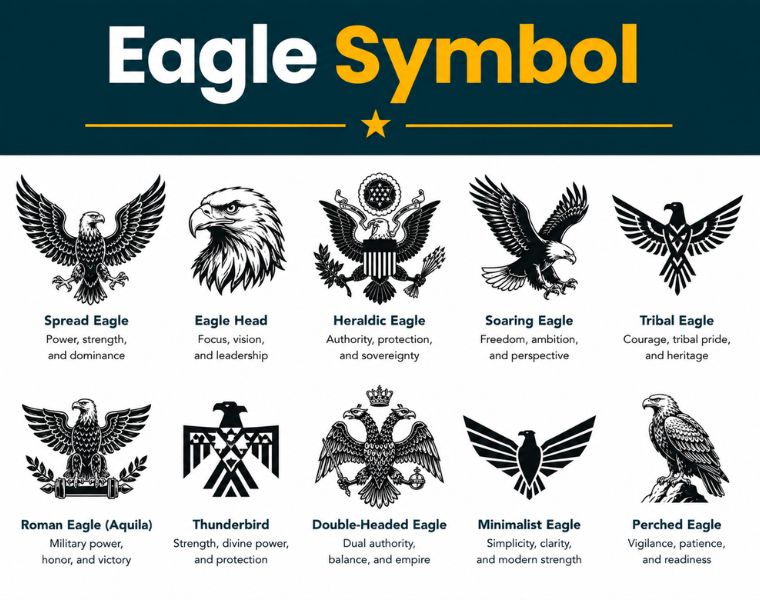
The eagle is one of the most recognized war symbols of all time.
The eagle is a symbol of strength, power, dominance, freedom, victory, and military might, due to its wide wings, sharp eyesight, and imposing appearance.
The eagle symbolized the rule of the emperors in Ancient Rome, and in modern times, is featured on the flags, coins, badges, and emblems of many countries. The eagle is a symbol of courage and leadership 🦅.
Sword Symbol
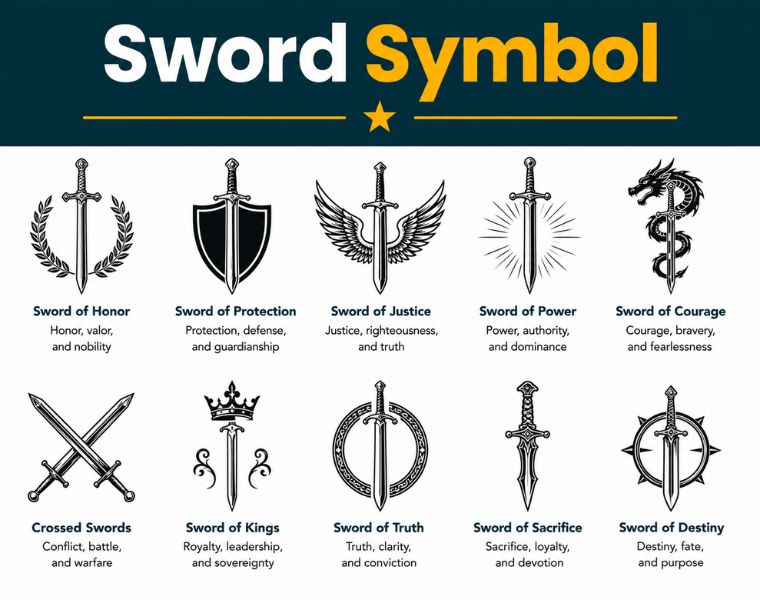
Throughout history, the sword has served as a symbol of honor, justice, protection, sacrifice, and warfare. The sword was a symbol of responsibility and courage and was carried by warriors as a weapon.
A sword symbolized loyalty, discipline and personal character in the medieval Europe and samurai culture. The sword is still one of the most recognizable symbols of the warrior spirit and the balance of power and duty today ⚔️.
Skull And Crossbones
The skull and crossbones is a bold symbol associated with death, danger, rebellion, mortality and fearlessness.
This image has been used on pirate flags, military warning flags, and even flags for war time.
It can be a symbol of danger and destruction but can also be a reminder of courage in the face of danger and the harsh realities of life ☠️.
Red Poppy Symbol
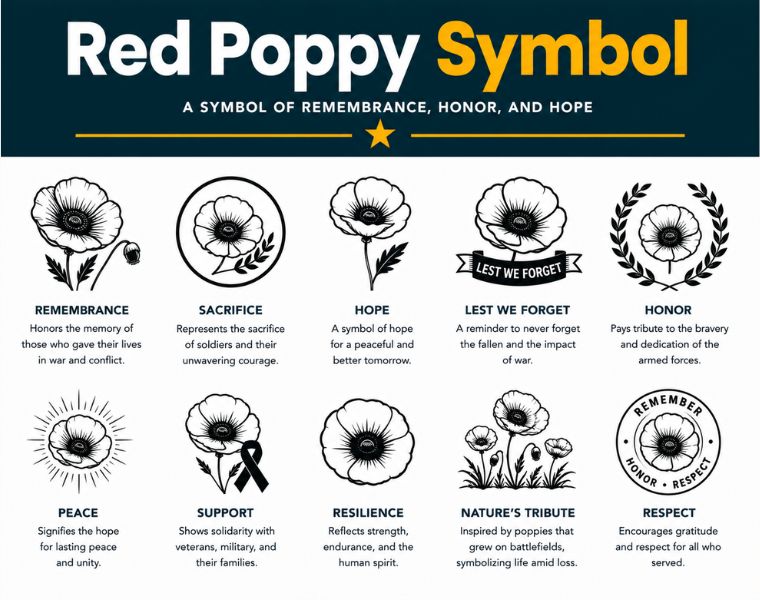
The red poppy is a symbol that promotes remembrance and sacrifice. Following World War 1, red poppies were strongly associated with Remembrance of war dead and military service.
They are seen today at various times of remembrance, such as at memorial ceremonies, military tributes and remembrance events around the world.
The flower of bright red color represents respect, gratitude and the remembrance of the fallen in the wars 🌺.
Shield Symbol
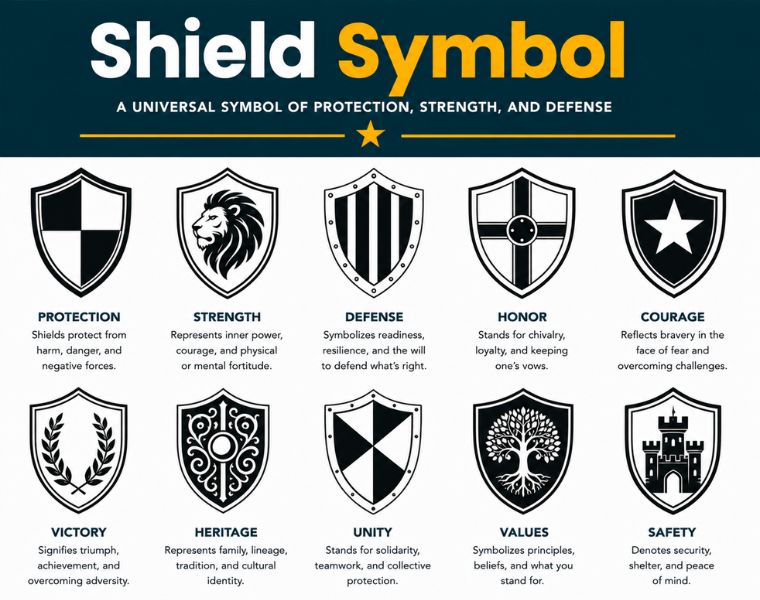
The shield is one of the oldest symbols of protection, strength and courage.
The shield was used by warriors to protect themselves in battle, but also was a symbol of responsibility for family, community and homeland.
Family crests, military symbols, or cultural icons were frequently added to the shield, representing loyalty and identity. Shields are also used on military logos and official insignia, and are still common today 🛡️.
Dragon Symbol
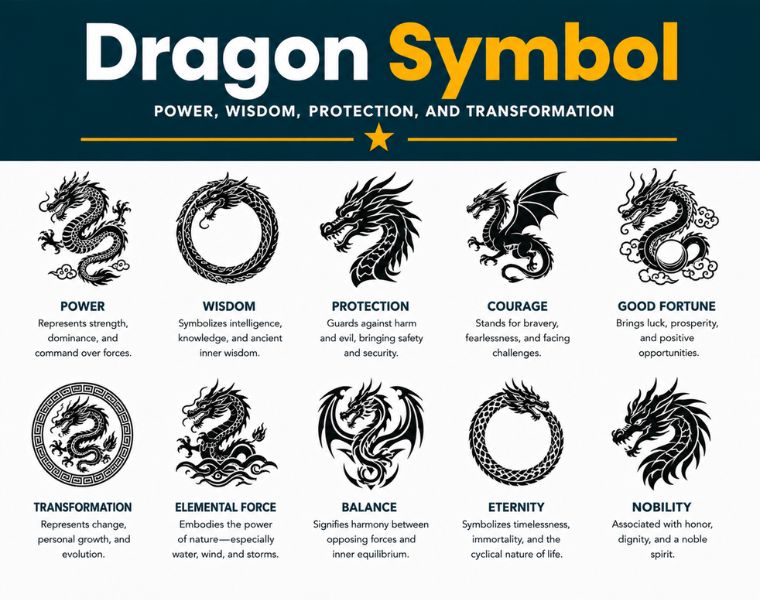
The dragon is a mythological animal that has been associated with power, wisdom, destruction, chaos, and invincibility. Dragons were featured in many cultures, such as on the war banners, royal standards, and military art.
They have the power to breathe fire and were extremely strong, thus being symbols of unsoundable force.
In some cultures, dragons were regarded as guardians or symbols of strength and power, and were believed to possess protective abilities.
In other cultures, dragons were considered to be dangerous and powerful beings that should be respected and feared 🐉.
War Symbols Across Cultures
The symbols of war are found in almost every civilization because man has always looked for means of expressing courage, strength, loyalty and protection.
While the designs vary, they all have similar themes, including survival, unity, honour, resistance and military power.
Such common thoughts reveal the ways in which common values are symbolized in different ways in human societies 🌍.
Ancient Roman Culture
The Roman military culture was heavily based on symbols for authority, conquest, discipline and imperial power. The standard of the Roman Eagle was one of the most prestigious in the empire.
These were seen by the soldiers as symbols of honour and loyalty, and the preservation of them in battle as their sacred duty.
Viking Culture
Symbols were believed by Vikings to give them supernatural protection and courage during raids and battle. Symbols like the valknut and other Norse symbols were associated with fearlessness, strength, and a connection to the gods.
Vikings painted symbols on shields, ships, armor and weapons; they believed these images could convey spiritual power. Their symbols remain a source of inspiration for contemporary art, tattoos and historical research ⚔️.
Japanese Samurai Culture
Honor, loyalty, discipline and personal responsibility were valued characteristics of Japanese samurai culture. Mon (family crests) were used by samurai clans in battle to identify themselves and to display their loyalty.
Symbols like cherry blossoms also grew in significance, symbolizing the fleeting and fragile nature of life. The samurai warriors did not fight just for the sake of fighting; they fought with wisdom and self-control, and with dedication 🏯.
Native American Cultures
Animal symbols were used by many native American tribes to denote their warrior power, their spiritual guidance and their bravery. The Eagles, bears, wolves, and hawks were considered to be strong, intelligent, and attuned to nature.
War paint, feathers and symbolic designs were often with meanings of the person and the spirit. These symbols were used to show a warrior identity, protection, courage and respect for their traditions 🪶.
Medieval European Culture
In medieval Europe, a variety of symbols flourished in the realm of warfare, including coats of arms, family crests, banners, and knightly symbols.
The lion was often seen as a symbol of courage and leadership, and the cross was a symbol of faith and religious devotion. Knights used these symbols when fighting in battle as a way of showing loyalty, heritage, and honour.
Many of the designs continue to shape the military insignia, historical art and ceremonial traditions today 🏰.
War Symbols In Art, Movies And Pop Culture
War symbols remain in the modern world, as they carry a strong message of emotions, identity, courage, and conflict.
Military imagery, banners, armor, weapons, and heroic emblems are all used by artists, filmmakers, writers and designers to tell stories with little or no explanation.
Themes of sacrifice, resistance, victory, survival and personal strength are reinforced, making it easier for audiences to relate 🎬.
In Movies
War symbols are frequently employed in films as a representation of heroism, rebellion, loyalty and hope. A flag during a hard time can convey courage and clues to alliances and leadership from military insignias.
Banners, shields, swords, dragons and royal symbols are commonly used in fantasy films to designate armies and kingdoms. The symbols enhance the realism, emotion and excitement of a story 🎥.
In Paintings
In historical paintings, swords, horses, armor, shields, flags and military uniforms are generally included to present the reality of war.
Artists use these symbols to depict courage, sacrifice, victory, tragedy and remembrance.
Battlefield paintings can depict the destruction of objects, the sky, or the casualties, symbolizing the loss and the devastation that war brings.
Artists capture significant events of history through the use of symbolism 🎨.
In Books
Books employ the symbols of war to convey the message of the characters, culture, and power struggles.
Magical weapons, warrior emblems, family crests, dragons, eagles, and sacred banners feature in mythology, historical literature, fantasy novels, and adventure stories.
These are symbols that give the story a deeper meaning and allow readers to associate with the theme of loyalty, bravery, honor, resistance, and destiny 📚.
In Tattoos
War-related tattoos are still trendy for individuals who wish to commemorate their military career, challenges or family history.
Symbols like swords, shields, Spartan helmets, Viking runes, dog tags, eagles, dragons, and memorial symbols can symbolise resilience and survival.
These tattoos are popular for people who want to have a reminder of their strength, courage, sacrifice, and determination during difficult times 🖤.
In Fashion
Fashion from the military has been impacting clothing styles for many years now.
Patterns, combat boots, military jackets, badges, and utility designs are hallmarks of toughness and confidence, independence, and resilience.
Military-inspired design elements have also been incorporated by fashion designers in their designs to make bold statements that embody strength, discipline, and leadership combined with modernism 👕.
War Symbols Spiritual And Dream Meaning
Emotions, personal struggles, transformation, and inner conflict are likely to be the meaning of war symbols that appear in dreams or spiritual experiences.
These symbols are not necessarily related to actual combat but could be related to problems in everyday life.
For many, these dreams serve as a call to action, urging them to maintain their strength, face their fears, and persist in their journey of self-discovery and improvement 🌙.
Seeing Swords In Dreams
The appearance of a sword in a dream may be a symbol of self struggle, significant decisions, courage, and emotional protection.
It could indicate that somebody is undergoing a difficult period and needs to be strong, confident, and determined. Sometimes the sword symbolizes the principles of justice, protection or standing up for one’s convictions and values ⚔️.
Seeing Flags Or Banners
In dreams, flags and banners may symbolize identity, loyalty, belonging, and strong convictions. A flag can evoke pride for a group, a family, a country or a specific issue.
These symbols can also serve as a reminder of responsibilities, goals and commitments that are important to the individual in their life 🏳️.
Seeing Battles Or Armor is a stunning and engaging work of art
Battle dreams can be a sign of internal conflict, stress or an issue that needs to be resolved. For many people, armor represents protection, boundaries, and feeling safe in challenging times.
Battles and armor can symbolize the strength and efforts needed to face challenges and remain strong in uncertain times 🛡️.
Explore the feelings behind the war symbols in a positive vs. negative manner
War symbols have dual connotations, positive and negative, since there are aspects of suffering and heroism in war.
In one context, the symbol might evoke a sense of courage and protection, while in another, it can serve as a reminder of conflict and loss.
This is the balance that makes the power of war symbolism and its emotional significance across cultures and generations ⚖️.
Positive Meanings
A number of war symbols stand for courage, protection, sacrifice, unity, loyalty, strength, resilience, survival, leadership, determination, honour and opposition to oppression. A shield could stand for safety and an eagle for freedom and victory.
These positive connotations are why emblems and warrior imagery are still of great inspiration to people today, across the globe 🏆.
Negative Meanings
The symbols of war also can be signs of violence, destruction, fear, aggression, tyranny, trauma, hatred, suffering, loss and death.
A flag on the battlefield can remind people of the painful war, and some military symbols can show the hard times of history.
The negative meanings help make a balanced picture of the role of symbols in memory and emotion and in culture 💔.
What are some of the reasons why humans are so attracted to war symbols?
War symbols have a natural appeal to humans due to their resonance with strong feelings like courage, belonging, loyalty, survival and identity.
Cooperation and protection have been essential to communities throughout history in times of danger. Symbols fostered trust, unity, and shared purpose among warriors, soldiers and families.
Military memorials, images of historical flags, medals, battlefields, and warrior imagery still elicit deep emotions from people today.
Many people also make the connection between war imagery and their own experience of facing fear, difficulty and challenges to achieve success.
Psychologists think symbols are meaningful when they are associated with emotion and identity, which is why military symbols and banners, shields and heroic images are still meaningful to people over time 🧠.
Conclusion
War symbols are not just visual elements focusing on war. They are enduring symbols of humanity’s triumphs, tribulations, apprehensions, aspirations, offerings, and successes.
Throughout history, in strong kingdoms, in armies, in nations, Symbols have been used to convey ideas of courage, strength, loyalty, protection, and culture.
Each symbol, from the Roman Eagle standards and the Viking Rune to the Samurai Shield and Sword, the Dragon and the Remembrance Poppy, has its own history and human story.
Some are images of heroism and survival; others of the difficult reality of war, violence and loss.
Their definitions are still being refined under the arts, literature, film, memorials, fashion, military insignia and personal expression.
Long after wars have concluded, these symbols are still potent because they hold the memory of a collective and remind future generations of the lessons, sacrifices and strength that created the world.
Emotion, identity, heritage and history make war symbols a vital part of human culture and they will continue to be significant for many years to come 🌍.
FAQs
What Do War Symbols Represent?
War symbols represent courage, power, sacrifice, protection, loyalty, survival, and military strength.
What Is The Most Famous War Symbol?
The eagle is one of the most famous war symbols because it represents victory, freedom, leadership, and dominance 🦅.
Why Were Symbols Important In Ancient Wars?
Ancient armies used symbols to identify allies, build morale, communicate, and strengthen loyalty during battle.
Are War Symbols Spiritual?
Yes, many war symbols are linked to spiritual beliefs about protection, destiny, courage, and divine power.
What Do War Symbols Mean In Dreams?
War symbols in dreams often reflect emotional conflict, personal challenges, transformation, and inner growth.
Why Do People Choose War Symbol Tattoos?
People choose war symbol tattoos to honor service, express strength, remember sacrifice, or represent personal battles.
Which Ancient Cultures Used War Symbols The Most?
Ancient Rome, Greece, Viking societies, samurai clans, Native American tribes, Egypt, and medieval European kingdoms all used war symbols extensively.