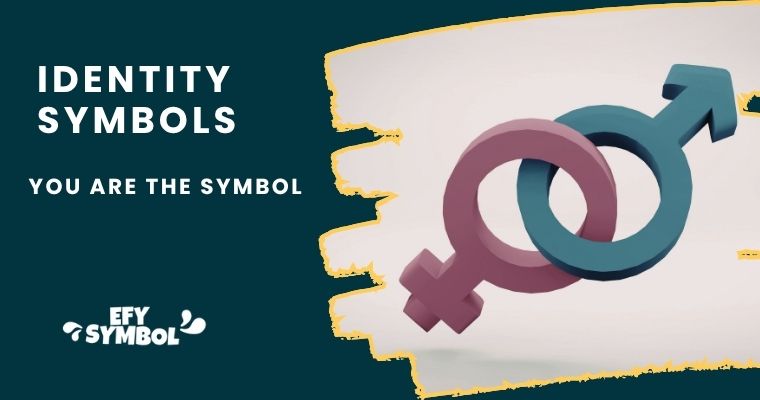
Identity symbols are used to communicate personality, feelings, beliefs, and life experiences in a non-verbal way. These symbols may be simple shapes, sacred symbols, animals, artistic symbols, or symbolic objects with profound meanings.
Self symbols and personal symbols are often selected because they are visual and emotional representations of self identity, emotional identity and meaningful identity.
Emotional stories, symbolic love, emotional devotion, emotional truth, and emotional remembrance can all be associated with a small symbol, to family, friendship, faith, hope, courage and survival.
Ancient symbols were once used in symbolic rituals, spiritual practices, and culture. Modern day symbols of identity are found in tattoos, jewelry, symbolic art, social media, fashion and symbolic images.
Although fashion evolves, feelings remain consistent. Emotional healing, inner peace, emotional balance, spiritual connection, and meaningful connection are still sought after through symbolic representation and symbolic language.
These visual symbols turn into identity marks that demonstrate personal development, emotional wisdom, emotional depth and self awareness at various stages of life.
What Are Identity Symbols?
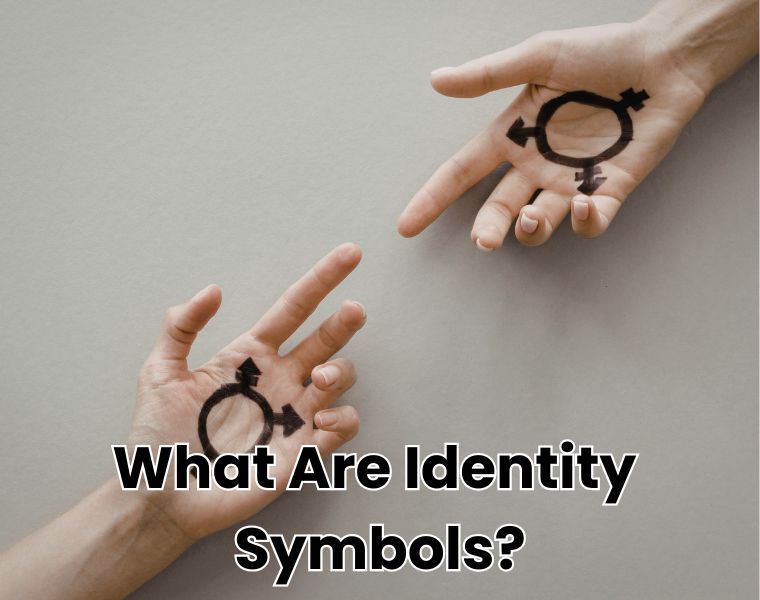
Symbols of identity are symbolic signs that stand for a person’s insider identity. Some people use soul symbols, spiritual marks, faith symbols, or universal symbols to illustrate their spiritual journey and personal beliefs.
Others select symbolic humanity, emotional symbolism and symbolic courage because these symbols remind them of strength in difficult times. A simple symbol can be a sign of transformation, compassion, forgiveness, unity, wisdom or emotional support.
Inspirational symbols are popular among many students and young people because they are easily understood and shared. People’s expression of identity is enhanced when they link emotional experiences with symbolic emotions and reflective symbols.
For instance, a butterfly can symbolize transformation and emotional development, and a lion can symbolize symbolic power, courage, and inner strength. These symbolic images have emotional energy that can help people connect with their life journey.
Why People Feel Connected to Symbols
Humans relate to symbols because the human brain responds to images and symbolic visuals quickly. Symbols evoke emotional reflection and emotional expression more rapidly than lengthy sentences. An emotional attachment to a symbolic object can be a result of feeling love, family, success or a significant life moment.
In bad times, many people seek emotional guidance and emotional inspiration in symbolic faith and symbolic hope. One student I met wore a little moon necklace every day, for it reminded her to remain calm when facing stressful school exams. This simple visual symbol became a part of her emotional support and self discovery journey.
Symbols also establish an inner link between people of various cultures. Some symbols are of ancient origin, others are from modern spirituality and symbolic culture. Symbols are directly related to human experiences and emotional values, and even children know their meaning.
Spiritual Symbols and Emotional Meaning
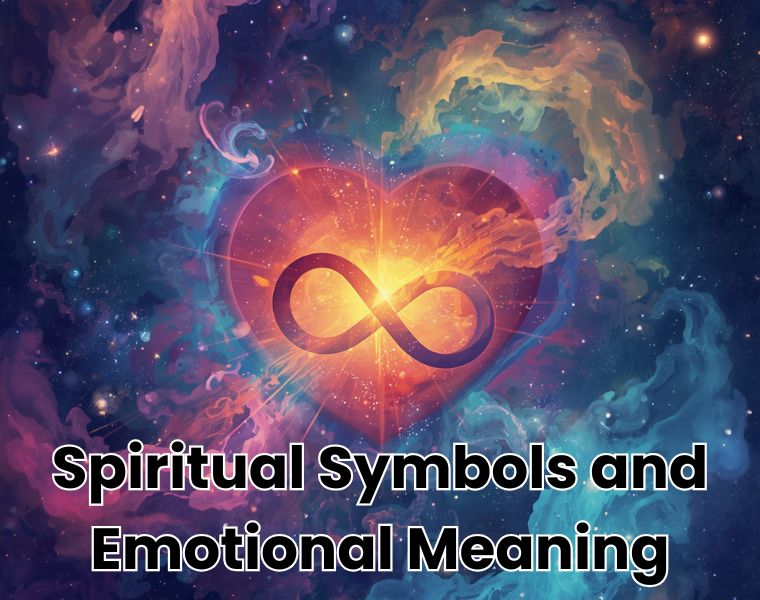
Spiritual symbols may have sacred expression, spiritual truth, sacred peace and emotional spirituality. Spiritual symbols are used by people to connect with faith, emotional healing and sacred humanity. These symbols can be used in churches, temples, books, paintings, or personal identification art.
There are many sacred symbols and traditions that convey a message of compassion, selflessness, kindness and emotional compassion. The stronger the spiritual connection, the more meaningful the visuals are for the individual, and the more congruent they are with the individual’s beliefs and emotional needs.
Some people meditate on the images of their soul symbols as they help to balance emotions and reflect spiritually.
Symbols related to sacred practices and significant spiritual experiences can help to remind people to practice emotional kindness, symbolic grace, and emotional unity. These symbolic signs help people to feel calm in times of sadness, fear and confusion.
Popular Identity Symbols and Their Meanings
Heart symbols are frequently used to signify love, emotional bond, emotional devotion, and emotional humanity. Tree symbols represent personal growth, wisdom, life journey and symbolic humanity as trees grow all year round.
The phoenix is one of the most powerful symbolic transformation symbols. It is a symbol of life, healing, renewal, and emotional resilience in the face of suffering or loss. Compass symbols provide direction, emotional guidance, and meaningful reflection in times of uncertainty.
Wolf symbols can symbolize loyalty, emotional wisdom, symbolic courage, and powerful family ties. Butterflies are a symbol of changing emotions, beauty, and self discovery.
Sun symbols have emotional energy, hope, symbolic inspiration and positivity. Moon symbols are a symbol of emotional depth, inner peace, sacred reflection and emotional balance.
Symbols in Art, Fashion, and Modern Life
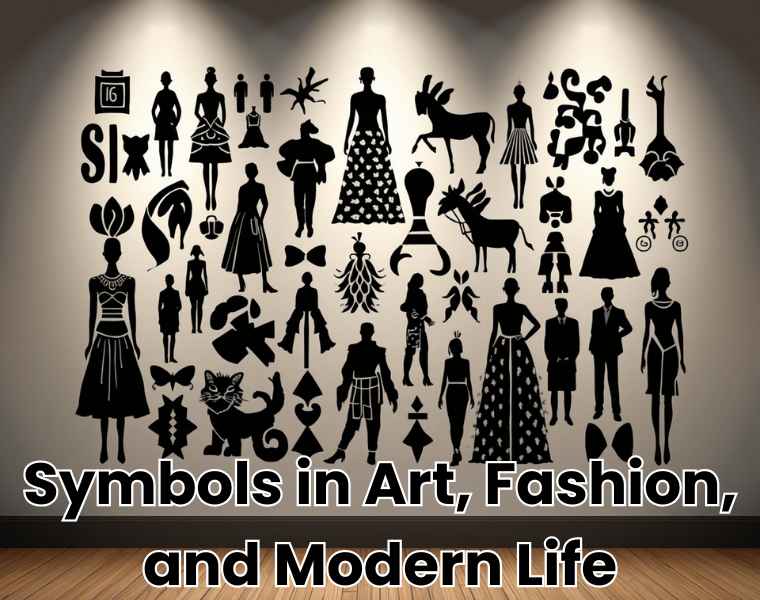
In the modern world, symbolic creativity seems to be everywhere today. Artwork is symbolic, emotional, visual identity, symbolic communication, in fashion, tattoos, logos, blogs, church visuals, emotional storytelling and creative expression. Artistic visuals and symbolic illustrations enable people to express emotional culture and meaningful symbolism without speaking.
Older symbols are frequently combined with emotional creativity and visual storytelling in modern designs. Some people adorn their clothing with symbolic images, and others adorn their rooms with sacred images and meaningful images. Creative symbols enable people to express identity connection and symbolic personality in different ways.
Social media also helped to boost the popularity of emotional visuals, symbolic imagination, and inspirational graphics. Symbols are personal, emotional and easy to understand, so young people like to share them.
Symbolic Meaning Across Cultures
Symbols are used in various ways in different cultures, but many symbolic emotions remain similar. In other areas, sacred traditions are centered on spiritual direction and symbolic worship.
Other cultures celebrate family, faith, and community through symbolic rituals and meaningful rituals.
The visual symbols of faith are frequently used in ceremonies, books and churches in Western culture. The Eastern traditions emphasize more on meditation, emotional reflection and spiritual peace.
Dramatic artistic spirituality, sacred storytelling, and symbolic devotion are common elements in celebrations and festivals in Latin American communities.
Despite cultural differences, symbolic compassion, emotional unity, sacred love and emotional truth unite people across the globe.
Positive and Negative Symbolic Meaning
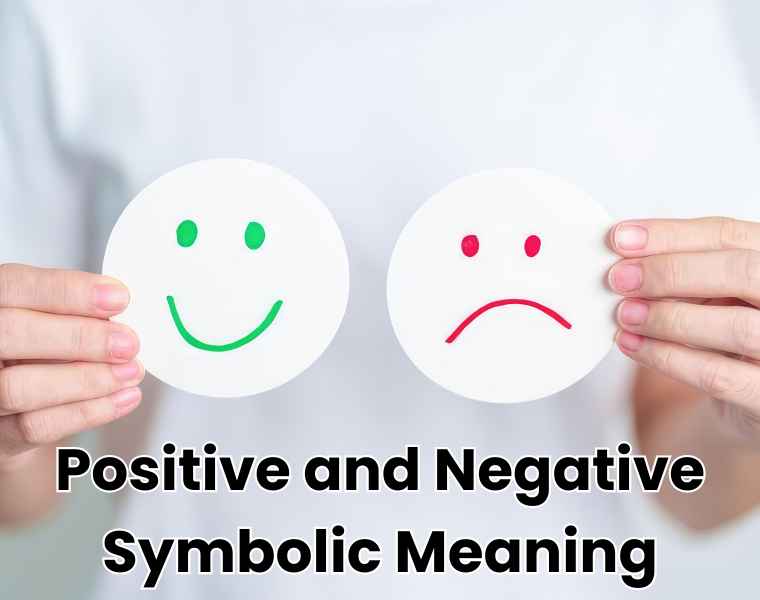
Many symbols carry both positive and negative emotions. A symbol may represent emotional peace and emotional faith for one person but emotional pain and emotional reflection for another.
This dual meaning makes symbols feel real and human.
Positive symbols can represent kindness, symbolic service, emotional blessings, sacred devotion and meaningful faith. Negative symbolic meanings can relate to betrayal, fear, suffering, emotional sacrifice or loss.
Still, over time, painful symbols can provide a meaningful healing and emotional change.
The interplay of light and shadow creates symbolic spirituality and symbolic humanity more potent. Symbols help to convey to people that sometimes growth follows struggle.
Identity Symbols and Personal Growth
Symbols are significant in the development of self awareness, emotional development and personal development. They enable people to understand the emotional values, emotional meaning and symbolic identity at various life stages.
For children, it is easy to select simple symbols related to friendship and happiness, while for the elderly, it is more common to select symbols of reflection, sacred identity and emotional wisdom related to life lessons.
Symbols can be reminders of emotional experiences, meaningful connection and spiritual identity as people get older.
Symbols are more powerful when they are congruent with emotional reality and personal values. That’s why so many people have a strong emotional bond with symbolic inspiration, sacred expression, and meaningful devotion throughout their lives.
Identity Symbols in Dreams and Emotions
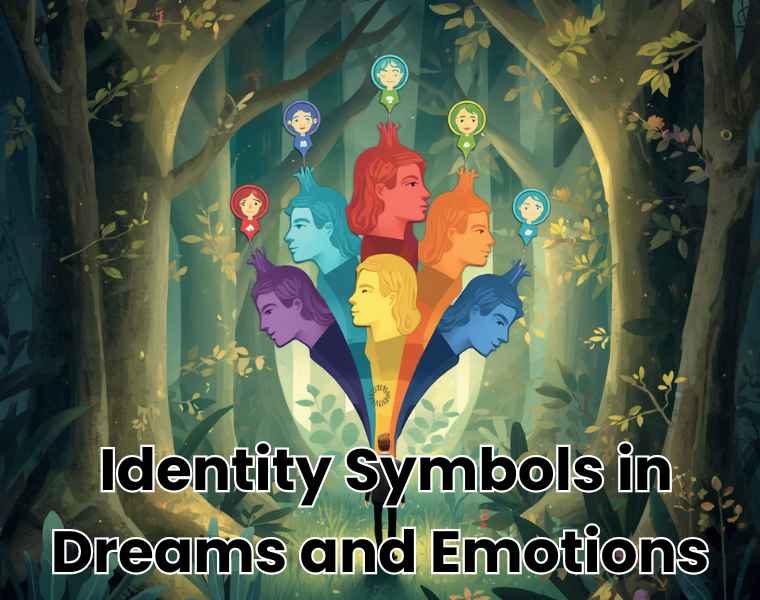
A lot of people interpret symbols in their dreams when they are in emotional situations in life. The dream symbols are usually related to emotional healing, emotional reflection, spiritual emotions and emotional guidance.
The bird in a dream can be a sign of freedom and hope, while water symbols can indicate emotional cleansing and inner peace.
Dream symbols also enable individuals to grasp the emotional depth and the hidden feelings. Some of the symbols are seen in times of stress, change or personal growth.
These meaningful visuals provide emotional support and self reflection as it resonates with the human soul and emotional experiences.
Emotional attachment to dream symbols occurs in children and adults as they can be a reflection of a real fear, desire or emotional truth.
That’s why symbolic emotions are important and emotional storytelling is important to symbolic culture and spiritual reflection.
How to Choose the Right Identity Symbol
The identity symbol you select is dependent on your personality, emotional values, life journey and personal beliefs. Some people select symbolic courage symbols as a result of having survived tough times.
Others choose symbolic peace, symbolic faith or symbolic love because they seek emotional balance and meaningful spirituality in their everyday life.
The identity symbol should be emotionally connecting and meaningful. Select spiritual symbols, symbolic objects, artistic symbols or universal symbols that resonate with your emotional energy and symbolic identity.
Many people also use symbolic images and identity artwork, tattoos, jewelry and symbolic graphics to express themselves.
Prior to selection of a symbol, it is also useful to consider emotional wisdom, symbolic transformation and emotional humanity. A symbol that has meaning should be personal, comforting and inspiring for many years.
Why Identity Symbols Stay Popular
Identity symbols are still in use as they link people across generations and cultures. Human emotions remain unchanged and so do the ancient symbols, which can be seen in modern spirituality, symbolic traditions, and emotional expression.
Emotional devotion, forgiveness, sacrifice, hope, compassion, fear, and love are still influencing symbolic meaning today.
Symbols are also important in today’s life through social media, fashion, emotional art and symbolic creativity. Symbols are easy to communicate emotions and ideas and young people love using visual identity and symbolic communication.
In an overstimulated digital age, symbolic visuals and inspirational symbols help to make emotional connection easier.
People also like to have significant imagery as a way to achieve emotional peace and symbolic reflection. One small symbol can bring to mind family, friends, emotional healing, and personal growth each and every day.
Conclusion
Identity symbols are more than just decorative pictures. They have symbolic significance, emotional symbolism, sacred emotions and emotional storytelling associated with the human soul.
These symbols bring people together on an emotional, spiritual, symbolic and universal level, and have been around for centuries.Each symbol is a symbol of human experiences, emotional reflection and personal identity; symbolic courage, symbolic hope, symbolic faith, symbolic love.
Symbols continue to serve people in powerful and creative ways to express their sense of identity, emotional depth, inner strength, and meaningful spirituality, both in ancient times and today, in the creation of identity artwork.
FAQs
Which symbols do you have that are best to represent yourself?
The most effective identity symbols are those that are based on your emotional identity, beliefs and experiences in life. Butterflies are a popular choice for transformation, lions for courage, trees for growth and moons for emotional balance.
People also like to buy spiritual symbols, soul symbols and symbolic faith symbols as they bring emotional connection and inner peace.
Which symbols do you have that are best to represent yourself?
The most effective identity symbols are those that are based on your emotional identity, beliefs and experiences in life. Butterflies are a popular choice for transformation, lions for courage, trees for growth and moons for emotional balance. People also like to buy spiritual symbols, soul symbols and symbolic faith symbols as they bring emotional connection and inner peace.
What are the most important identity symbols to be tattooed?
Symbols of courage, symbolic love, symbolic hope and symbolic transformation are all meaningful tattoo symbols. These symbols are used to aid in remembering significant events, healing emotional wounds, or personal experiences. Common tattoo motifs feature phoenixes, wolves, hearts, feathers, compasses, and sacred symbols related to emotional narratives and symbolic identification.
What are the meanings of spiritual identity symbols?
Spiritual identity symbols are symbols of faith, sacred love, spiritual guidance and emotional spirituality. They can often be comforting, encouraging and a source of emotional support when life is tough. These symbols can be from a sacred tradition, symbolic ritual or a significant spiritual connection that has emotional resonance and spiritual calm.
Why is it that people have emotional ties to symbols?
Symbols will connect with people because the human brain will respond to images and symbolic visuals. Symbols instantaneously evoke emotion, emotional bonding and connection.
Many of the symbols also represent human experiences such as love, loss, hope, forgiveness, emotional healing and personal growth.
Do old symbols have any relevance in today’s world?
Yes, ancient symbols are still relevant as they hold timeless wisdom, symbolic significance and cultural identity. The symbols of identity are numerous and many of them are derived from old traditions and sacred rituals. People still use old symbols in tattoos, jewelry, emotional art, fashion and symbolic images, because they still resonate with the emotions of modern humans.